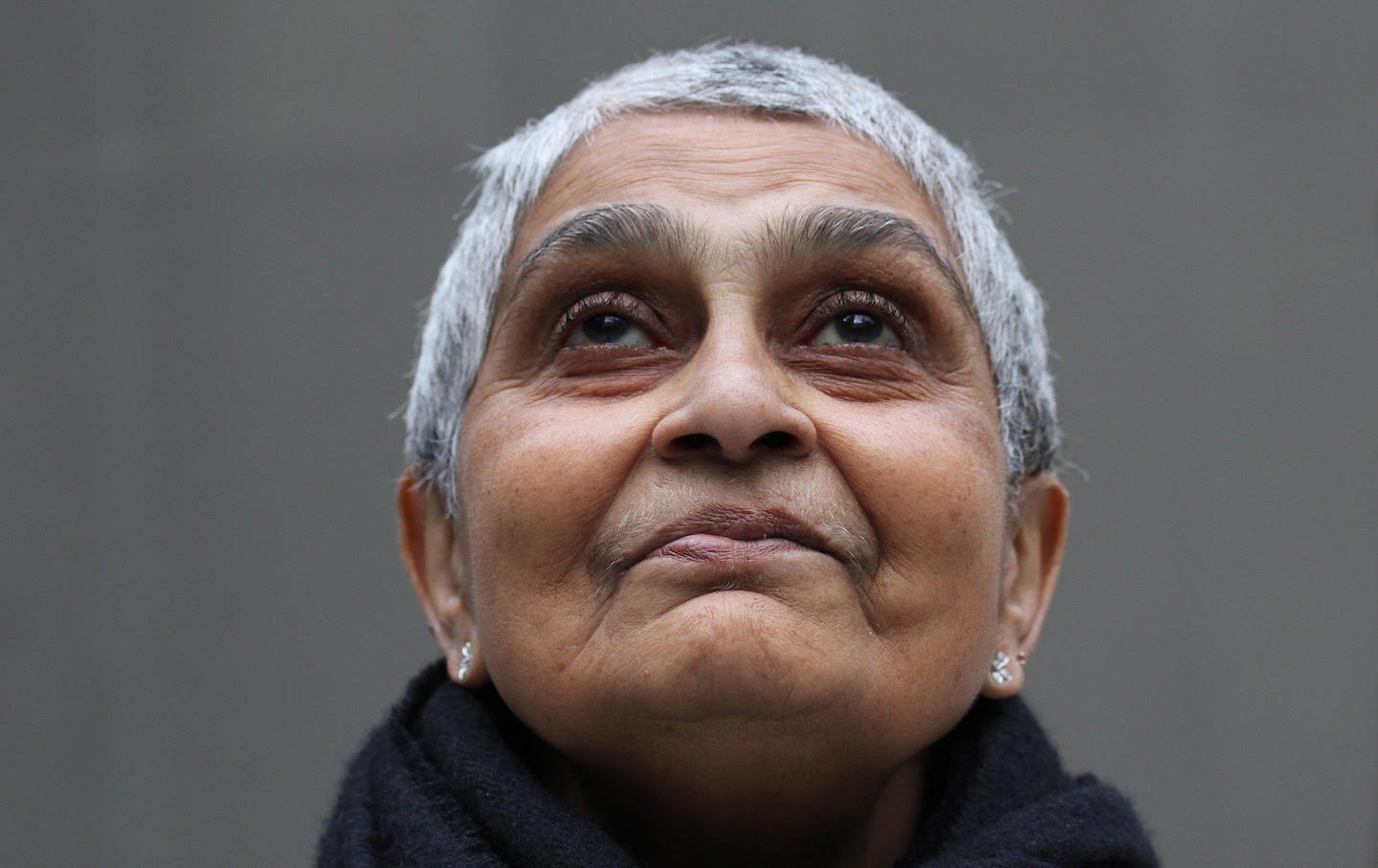
The framing of intercultural communication as a democratic process is an interesting contrast to Dr. Gayatri Spivak’s intercultural model centering the subaltern. It is reminiscent of the differences between equality and equity; equality being matched opportunities “on paper” whereas equity is developing supplemental opportunities considering historical and generational barriers, for instance.
I think that the component of inquiry within the intercultural praxis model, interestingly, is both compatible and incompatible with Spivak’s proposal of letting the subaltern speak. On one hand, inquiring about the subaltern aligns with Spivak’s model since it is in theory providing a platform for the subaltern to speak (assuming that this intercultural dialogue is occurring between the “subaltern” and the “nonsubaltern”). However, because inquiry is primarily reliant on the “asker,” this still puts the ball in the court of the non-subaltern, so to speak (at least approaching this issue from an American perspective). Thus, the subaltern is only given a platform at the command of the nonsubaltern. This can be problematic if there is suddenly a deeper conflict of interest.
Sorrell’s ideas on positioning as well as action align more deeply with Spivak’s theory on the subaltern. Positioning is the first step towards creating a consistent, non-negotiable platform for the subaltern. One must examine the spaces of privilege they inhabit as well as the ways they are marginalized to really understand their social positioning. Action especially aligns with Spivak’s theory since it can encompass the act of listening, of creating space for the subaltern voice.
